Featured
Table of Contents
Combination requirements vary commonly, expense structures are intricate, and it's hard to anticipate which CMS offerings will remain practical long-lasting. Faced with a digital landscape that's moving extremely fast, you need to trust not just that your vendor can equal what's present, however also that their option really lines up with your unique business requirements and audience expectations.
Discover insights on what to consider when selecting a CMS for your business.
A recipient is qualified to receive services under the GUIDE Model if they meet the following requirements: Has dementia, as validated by attestation from a clinician on the GUIDE Individual's GUIDE Specialist Roster; Is enrolled in Medicare Components A and B (not enrolled in Medicare Benefit, consisting of Unique Requirements Plans, or speed programs) and has Medicare as their primary payer; Has not elected the Medicare hospice advantage, and; Is not a long-term retirement home homeowner.
The table below shows a description of the five tiers. GUIDE Individuals will report information on disease phase and caretaker status to CMS when a beneficiary is first aligned to an individual in the design. To guarantee constant beneficiary project to tiers across design individuals, GUIDE Individuals should use a tool from a set of approved screening and measurement tools to measure dementia phase and caretaker problem.
GUIDE Participants need to notify beneficiaries about the design and the services that recipients can get through the design, and they need to document that a beneficiary or their legal representative, if applicable, grant receiving services from them. GUIDE Individuals need to then send the consenting recipient's information to CMS and, within 15 days, CMS will confirm whether the recipient meets the design eligibility requirements before lining up the recipient to the GUIDE Participant.
Building Fast Mobile Experiences for 2026
For a person with Medicare to receive services under the design, they should meet certain eligibility requirements. They will also need to find a health care company that is taking part in the GUIDE Design in their community. CMS will publish a list of GUIDE Participants on the GUIDE site in Summertime 2024.
For immediate aid, please find the list below resources: and . You may also contact 1-800-MEDICARE for particular information on concerns regarding Medicare benefits. For the purposes of the GUIDE Design, a caregiver is defined as a relative, or unsettled nonrelative, who assists the recipient with activities of day-to-day living and/or important activities of day-to-day living.
Individuals with Medicare must have dementia to be eligible for voluntary positioning to a GUIDE Participant and may be at any phase of dementiamild, moderate, or extreme. When a person with Medicare is first evaluated for the GUIDE Design, CMS will depend on clinician attestation instead of the presence of ICD-10 dementia medical diagnosis codes on previous Medicare claims.
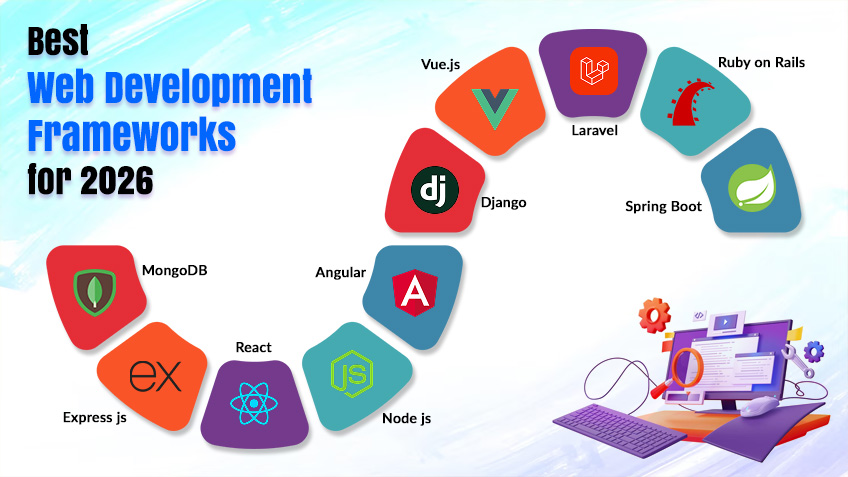
They might testify that they have actually gotten a written report of a recorded dementia medical diagnosis from another Medicare-enrolled practitioner. As soon as a recipient is voluntarily lined up to a GUIDE Participant, the GUIDE Participant need to connect an eligible ICD-10 dementia medical diagnosis code to each Dementia Care Management Payment (DCMP) regular monthly claim in order for it to be paid by CMS.The authorized screening tools consist of 2 tools to report dementia phase the Clinical Dementia Rating (CDR) or the Practical Assessment Screening Tool (QUICKLY) and one tool to report caregiver strain, the Zarit Burden Interview (ZBI).
Top Web Frameworks to Adopt in 2026Choosing the Right CMS to Business Growth
GUIDE Participants have the choice to look for CMS approval to use an alternative screening tool by submitting the proposed tool, together with released evidence that it is legitimate and trusted and a crosswalk for how it corresponds to the model's tiering thresholds. CMS has full discretion on whether it will accept the proposed option tool.
The GUIDE Model requires Care Navigators to be trained to deal with caregivers in recognizing and handling typical behavioral modifications due to dementia. GUIDE Participants will likewise assess the beneficiary's behavioral health as part of the detailed evaluation and offer recipients and their caretakers with 24/7 access to a care team member or helpline.
A lined up beneficiary would be considered ineligible if they no longer satisfy one or more of the beneficiary eligibility requirements. This might take place, for example, if the beneficiary becomes a long-lasting retirement home resident, enrolls in Medicare Benefit, or stops getting the GUIDE care shipment services from the GUIDE Individual (e.g., since they move out of the program service area, no longer desire to be aligned to the GUIDE Individual, or can not be contacted/are lost to follow-up). The GUIDE Design is not an overall cost of care design and does not have requirements around particular drug treatments.
GUIDE Participants will be permitted to modify their service area throughout the duration of the Model. Applicants might select a service location of any size as long as they will be able to offer all of the GUIDE Care Shipment Services to beneficiaries in the recognized service locations. Recipients who live in assisted living settings may get approved for positioning to a GUIDE Individual provided they fulfill all other eligibility requirements. The GUIDE Individual will identify the beneficiary's primary caretaker and assess the caretaker's knowledge, needs, wellness, tension level, and other challenges, including reporting caregiver strain to CMS using the Zarit Problem Interview.
The GUIDE Model is not a shared cost savings or overall cost of care design, it is a condition-specific longitudinal care model. In general, GUIDE Design individuals will be paid a regular monthly dementia care management payment (DCMP) for each beneficiary. The GUIDE Model is created to be compatible with other CMS liable care models and programs (e.g., ACOs and advanced medical care designs) that supply healthcare entities with opportunities to improve care and minimize spending.
The Modern Benefits Behind Headless Methods
DCMP rates will be geographically adjusted in addition to an Efficiency Based Modification (PBA) to incentivize high-quality care. The GUIDE Design will likewise spend for a defined quantity of respite services for a subset of model beneficiaries. Model individuals will utilize a set of new G-codes created for the GUIDE Model to submit claims for the regular monthly DCMP and the respite codes.
Break services will be paid up to an annual cap of $2,500 per recipient and will vary in unit costs depending on the type of break service used. Yes, the monthly rates by tier are readily available below.(New Client Payment Rate)$150$275$360$230$390(Developed Client Payment Rate)$65$120$220$120$215GUIDE Participants are responsible for paying Partner Organizations for GUIDE care delivery services that the Partner Organization offers to the GUIDE Participant's lined up recipients.
GUIDE Participants and Partner Organizations will figure out a payment arrangement and GUIDE Individuals should have contracts in place with their Partner Organizations to show this payment plan. GUIDE Participants will also be expected to maintain a list of Partner Organizations ("Partner Organization Lineup") and upgrade it as modifications are made throughout the course of the GUIDE Model.

Latest Posts
Why Modern Benefits Behind API-First Development
Optimizing Digital Visibility for Conversational Queries
Top Keyword Research Software for Growth